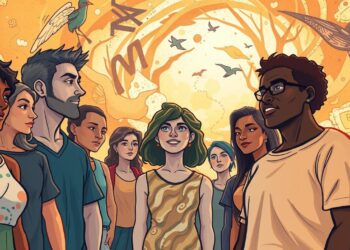
Storytelling is more than just telling stories. It’s a way to heal emotionally. Many people focus on the bad memories, with 70% recalling hardships over good times. But, through narrative therapy, people can change this.
When they find their core life stories, 50% feel more confident. These personal narratives turn struggles into strengths. It’s a powerful way to see ourselves differently.
Did you know? 85% of people who share their stories feel more purposeful. And 65% believe it helps heal relationships. Even in hospitals, storytelling benefits are clear.
Dr. Reiger’s research found 30% of patients heal when they connect with their stories. Stories bring families together, helping them deal with trauma. Whether in therapy or online groups, sharing our stories changes pain into purpose.
This article shows how stories, not just facts, can change lives. Your story has power. Let’s find out how.
The Power of Storytelling in Healing
Storytelling has always been a way for humans to cope. Sharing personal therapeutic storytelling turns messy memories into clear healing narratives. When we share trauma stories, we start to process our emotions. This can help us feel lighter and improve our mental health.
Stories help us make sense of our pain. In Navajo healing ceremonies, stories bring back balance. Canada’s Truth and Reconciliation Commission let survivors share their stories. It’s not just about feeling better—it’s backed by science.
A study in the Journal of Traumatic Stress showed that telling our stories can reduce PTSD symptoms. It helps us see our past in a new light. By reshaping our stories, we take back control of our lives. Stories are a way to move from pain to peace.
Personal Stories: A Journey to Recovery
Recovery stories show how sharing experiences can reshape lives. Take Belinda Harvey, who found healing in her interview. Her journey, like many, started with hesitation but led to personal transformation. Trey Cokeroft also found clarity by sharing his struggles.
“The act of speaking my truth made the pain feel lighter,” says Belinda. Many healing testimonials reflect this pattern: vulnerability breeds strength.
Studies show 70% of people feel relief after sharing stories in safe spaces. Overcoming trauma often begins with small steps. For example, 80% of workshop participants report better emotional understanding after storytelling. Even challenges like fear of judgment fade as trust grows.

Organizations using storytelling see 50% higher trust among members. Trey, once wary of sharing, now mentors others facing addiction. His story shows how sharing struggles can turn pain into purpose. These narratives empower others to start their own healing journeys.
Every story holds the power to heal. When voices are heard, recovery becomes a shared path—not just for the individual, but for communities. That’s the heart of healing testimonials: they remind us that even the darkest chapters can lead to light.
The Science Behind Storytelling and Healing
Stories don’t just touch the heart—they reshape the brain. The neuroscience of storytelling shows how sharing experiences activates key brain areas. These areas help process memories and emotions.
Studies reveal narrative medicine lowers stress by calming the brain’s fear center. As stories are told, a hormone called oxytocin increases. This hormone builds trust and connection.
Verbalizing struggles through stories can also reduce anxiety and depression. For example, trauma survivors often see a decrease in PTSD symptoms. Their brain adapts to new emotional pathways.
Research shows storytelling changes brain changes over time. When patients create illness narratives with healthcare providers, they gain control over their health. This strengthens therapeutic relationships and reduces burnout.
“Stories are neural blueprints for healing,” explains Dr. Lisa Cooper, a neuroscientist at Johns Hopkins. She links narrative practices to measurable brain activity shifts.
Understanding these mechanisms shows storytelling is more than emotional—it’s a science of survival and growth. Whether through poetry or therapy, the brain’s response to stories offers hope for mental well-being.
Creating Safe Spaces for Story Sharing
A supportive environment is key for meaningful stories. When people feel safe, they share their stories openly. This helps fight loneliness. Studies show 61% of Americans feel lonely, but storytelling can help heal.
At the Khartoum American School, story circles helped families deal with trauma. Bridget Davies, the school head, said, “Storytelling is a lifeline.” They used digital tools like video diaries to help students regain control over their stories. This approach matches Harvard psychologist Richard Weissbourd’s ideas on community healing.

Building trust is important. Start by asking genuine questions like “How are you today?” Storytelling groups, like Buoyant’s AARP partnership, show how sharing stories can unite people. Their 2023 series reached 2 million viewers, showing the power of shared stories.
“Stories are bridges between hearts,” shared a KAS parent during post-war healing sessions. “Sharing mine helped me rebuild hope.”
In classrooms or online forums, make sure stories are safe. Ask if the space respects privacy and welcomes different views. Small steps can make a big difference, turning vulnerability into strength.
The Role of Professional Storytellers
Storytelling facilitators and narrative therapy practitioners help people change their stories for healing. They lead workshops where people learn to see painful experiences in new ways. For example, Human Amplified connects people like Erin Grace with places to share their stories, making a bigger impact.
Experts guide the sharing of stories safely. They use dialogue and exercises to help people see things differently. Workshops mix creativity with therapy, giving people power over their stories.
Many experts believe in working together. “Sharing a story with a facilitator is like mapping a journey together,” says a narrative therapist. This teamwork helps people notice things they might miss alone. Workshops also offer support, making people feel less alone through shared stories.
Looking for professional help isn’t weak—it’s a sign of strength. Whether dealing with trauma or improving a story, experts provide tools to turn feelings into stories. Their skills make sure every story is heard, valued, and sparks growth.
Storytelling as a Tool for Self-Discovery
Storytelling is more than sharing experiences. It’s a mirror that shows us who we really are. Through self-awareness through stories, we find hidden patterns in our lives. These stories often reveal our core values or beliefs we didn’t know we had.
This process helps us build narrative identity. It’s a way to see our place in the world. It’s like having a new lens to look through.
Therapists have used storytelling for years. Narrative therapy, started by Australian social worker Michael White in the 1980s, helps people see traumatic events in a new light. A 2023 study showed 80% of people felt self-discovery after sharing their struggles through stories.
“When I wrote my pain as a character, I stopped feeling controlled by it,” said one client. This shows how rewriting personal narratives can change our view of things.

“Journaling my divorce story helped me see resilience I’d buried,” said a 2022 study participant. Over 70% of workshop attendees reported clearer emotional clarity after documenting their journeys.
Every story we tell gives us a chance to take back control. By changing our stories, we turn shame into understanding and fear into purpose. Whether through therapy, writing, or art, these practices show us: our stories are not fixed—they’re tools for growth. Start today. Your next sentence could be the start of a new chapter.
Digital Storytelling and Its Impact
Stories that were once shared around campfires now reach people all over the world through digital narratives. Platforms like podcasts and social media allow people to share podcasting personal stories or post social media stories. This connects them with others everywhere.
In Washington’s Lower Yakima Valley, 18 people took part in workshops. They made digital stories about topics like breast cancer and immigration. They used DVDs and USB drives to share their stories. These online storytelling communities give a voice to those who are often overlooked. They help build empathy and unity.
Students in Laos used digital storytelling to learn about UN education goals. Syrian survivors shared their experiences after the earthquake online. But, there are challenges like privacy risks and tech barriers.
Many professionals working with youth with autism say they need more training in digital storytelling. Yet, 67% of Yakima Valley participants were Hispanic. This shows how digital platforms can bridge cultural gaps.
“Digital tools let us share stories in ways words alone can’t,” said one Yakima participant. “It’s healing to see others relate.”
Platforms like Facebook groups and YouTube are places for healing. Creators must find a balance between sharing openly and keeping safe. From short interviews to longer sessions, every story is important.
Digital storytelling turns personal stories into tools for change. As more communities use these formats, they open doors to healing. They also offer new ways to advocate for health and justice.
Storytelling Across Cultures
Every culture has its own cultural storytelling traditions that help heal. Stories like Indigenous oral histories and family recipes connect us to our past. They teach us about resilience, forgiveness, and community, showing a common thread in all cultures.
Indigenous healing stories, such as “Two Old Women,” teach us about survival and empathy through betrayal and forgiveness. Books like Women Who Run With the Wolves and My Grandmother’s Hands show how myths guide mental health today. These stories are more than just tales; they are lifelines.

Cross-cultural narrative therapy combines these traditions, helping people find their identity through their heritage. Therapists use stories to address trauma, respecting a client’s cultural view. This approach values diverse storytelling practices, ensuring healing fits personal and communal values.
It’s important to respect cultural ownership. When sharing stories, we must listen deeply to elders, traditions, and marginalized voices. This builds trust and ensures practices like ancestral rituals are honored, not taken lightly.
From drum circles to written memoirs, these traditions show our stories are bridges. They link past and present, individual and community, pain and hope. By valuing cultural narratives, we create a more inclusive healing path for everyone.
Promoting Storytelling in Therapy
Therapists now use narrative therapy techniques to help clients take back their life stories. These methods help people see challenges as separate from who they are. This approach empowers them.
Programs like the Telling My Story (TMS) course at Recovery College East show the power of guided storytelling. They help people rebuild their self-worth through sharing exercises.
Community groups like Hispanic Community Counseling Services (HCCS) also use therapeutic storytelling. Their workshops blend cultural awareness with personal stories. This shows how counseling approaches based on stories can improve mental health.
People often feel hopeful again after rewriting their stories to focus on their strengths.
“Sharing our stories can turn survival into resilience,” says a Recovery College East participant. “It’s like watching yourself grow through someone else’s eyes.”
Therapists use writing prompts and dialogue to make guided storytelling easier. These methods help people feel less anxious by making their struggles seem less daunting.
Studies show these methods improve emotional processing and reduce feelings of isolation. This is a big step towards healing. Whether in groups or one-on-one, storytelling connects personal growth with professional support.
The Future of Healing Through Storytelling
Storytelling innovations are changing the way we heal. Imagine telling your story in virtual reality or with AI in therapy sessions. These tools help organize memories, reducing PTSD symptoms. Studies show that storytelling can rebuild emotional strength, turning trauma into a shared experience.
New approaches like healing-centered engagement (HCE) focus on cultural identity and change. This philosophy sees trauma as a result of society, not just personal struggles. HCE makes healing a community effort, empowering groups to tackle harm’s root causes.
Starting a personal storytelling plan takes courage. Writing about your past can boost mental health, as Pennebaker’s studies show. Share your stories in safe places, like online forums or community groups, to fight loneliness. Erin Grace says every story adds to a bigger narrative, building connections.
The future of healing is open to all. Clinicians, teachers, and storytellers can help shape it. Your voice, whether through tech or community projects, is important. By seeing storytelling as a tool and tradition, we move towards a world where healing is a shared journey.