Creative inspiration comes from curiosity and practice. Salvador Dali took surreal naps, and Igor Stravinsky did headstands upside-down. These actions show how artists plan their creative process. Inspiration isn’t a secret—it’s about routines, exploration, and fun.
Edgar Degas sketched ballet dancers to learn about movement. Vincent van Gogh painted peasants to show human worth. These artists found inspiration by observing the world. They used daily sketches and travel to mix observation with imagination.
The Essence of Artistic Inspiration
Artistic inspiration is not just a random spark. It’s a mix of hard work and intuition. Artists like Salvador Dali used to capture quick ideas during the creative process. His “slumber with a key” method shows how artistic motivation can strike when we’re almost asleep.
Graham Wallace’s 1926 model shows creativity has four stages: Preparation, Incubation, Illumination, and Verification. These stages go in a cycle, not a straight line. In Incubation, ideas grow quietly, leading to creative breakthroughs.
Even artistic genius needs this cycle. Nature, daily life, and journals are key inspiration sources for Preparation.
Seventy percent of artists say nature is their biggest inspiration. This shows how looking outside helps us find clarity inside. The secret is to stay curious. Inspiration grows when artists mix structured work with open minds, turning daily moments into creative sparks.
Sources of Inspiration: Nature’s Influence

Nature has always inspired artists to explore organic forms and environmental themes. Artists like Vincent van Gogh and Andy Goldsworthy have been influenced by nature. With over 400,000 plant species and countless landscapes, nature offers endless nature inspiration for all creatives.
Henry David Thoreau’s time at Walden Pond shows how nature sparks creativity. Studies from the University of Utah found that being outdoors can boost creativity by up to 50%. Artists like Georgia O’Keeffe turned desert views into bold abstracts, showing nature’s impact on art.
Landscape art grows from observing nature, whether it’s sketching trees or capturing coastlines. Even city folks can find inspiration in parks or a single leaf’s texture. Nature’s patterns, from autumn colors to ocean waves, inspire new ideas. For 75% of artists, connecting with nature is key to staying creative.
Inspirational Learning: Art History and Culture
Exploring art history is more than just copying the past. It’s about understanding the thinking behind master artists’ choices. Works by Leonardo da Vinci and Michelangelo show how techniques like chiaroscuro changed art. These methods were not just skills but groundbreaking ideas that changed creativity.
Cultural influences have always sparked new ideas. Japanese woodblock prints inspired Monet, while African sculptures changed Picasso’s Guernica. These exchanges show how art evolves through collaboration. Today, artists must respect traditions while bringing in new ideas, avoiding copying and honoring origins.
Learning from history also means looking at what’s been missed. Artists like Artemisia Gentileschi challenged old gender norms, showing art’s power for change. Now, education combines art history with tech, teaching students to use digital tools and learn from the past.
Artists today can learn from centuries of creativity. By studying Caravaggio’s lighting or the symbols in ukiyo-e, they can create without copying. It’s a journey where every era’s lessons help create something new and meaningful.
Everyday Life: A Hidden Treasure Trove
Art can be found in the most unexpected places. Artists like Van Gogh turned simple things like chipped teacups and sunlit tables into lasting works of art. His painting, “Café Terrace at Night,” shows how a small Parisian café can become a bright masterpiece.

“Great things are done by a series of small things brought together.” — Vincent van Gogh
Domestic scenes, as seen in Vermeer’s paintings, show beauty in everyday moments. A woman pouring milk or a child sleeping are turned into deep, meaningful scenes. These moments, once ignored, become powerful when seen through an artist’s eyes.
Edward Hopper’s paintings of empty diners and gas stations show the quiet side of modern life. They prove that inspiration can be found in the quiet moments between our busy lives.
Studies show 70% of artists find inspiration in their daily routines. Even something as simple as a coffee ritual or a morning commute can spark creativity. Paying attention to details, like the patterns in rain puddles or the way light filters through blinds, is key.
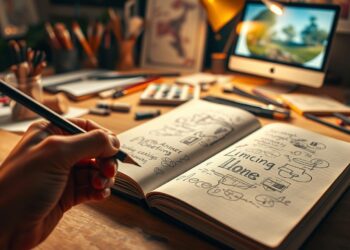
Try carrying a sketchbook to capture quick moments. Notice how a wilted flower or a messy kitchen tells a story. As 85% of artists agree, even urban textures like graffiti on walls or steam from a subway grate are full of visual treasures.
Art isn’t just for grand adventures. Even the most ordinary subjects can become a canvas for creativity. Your morning coffee cup, a neighbor’s garden, or the way shadows fall at dusk are all waiting to be explored. The world is full of inspiration; you just need to look closely.
Collaboration and Community: A Catalyst for Creativity
Artistic collaboration thrives in creative communities. From Picasso’s Cubist exchanges to today’s digital networks, collective inspiration drives innovation. Cross-cultural artistic partnerships break boundaries, blending styles into something new.
Modern creative partnerships flourish in spaces like the FashionRev NB event. Over 200 designers and makers united to showcase sustainable fashion. The “Botanical Chromatics 2024” workshop brought 14 artists together, merging natural dye techniques with yoga and communal meals.
Such gatherings fuel artistic exchange, proving that shared goals turn visions into reality.
Communities like Groundwork Gallery’s “Unite, Reunite, Mend” exhibition highlight how collective efforts amplify cultural narratives. Collaborators gain diverse perspectives, reducing isolation and boosting confidence. The Southport Poets’ award-winning collection, born from group writing sessions, exemplifies how creative partnerships turn ideas into published works.
Even solo artists like Alan Parry cite their networks as vital for growth. His 2020 collection Neon Ghosts and 2022’s Echoes were shaped by peer feedback.
Building your creative community starts small: join workshops, online groups, or local galleries. Shared spaces let artists experiment, learn, and grow together. Collective inspiration isn’t just about ideas—it’s the foundation of lasting artistic impact.
Travel: Expanding Artistic Horizons
Artists have always found inspiration in travel. Seeing new places and cultures breaks the mold of routine. A 2023 study found that traveling boosts creativity by 25%. This shows that artistic journeys spark new ideas.

Paul Gauguin and Van Gogh, for example, found new inspiration in Tahiti and Arles. Today, artists like Banksy use city streets to make social statements. Even short trips can change how we see things.
“New environments challenge assumptions, pushing artists to reimagine their craft,” says Dr. Lena Torres, a creativity researcher.
For those who can’t travel, virtual experiences offer inspiration. Documentaries, virtual tours, and local festivals are great options. Keeping a journal during trips can increase creative reflection by 35%, as Harvard found in 2022.
Travel is all about new sights, sounds, and art. These experiences make us think differently and solve problems better. To get the most out of it, dive into local traditions, try new things, and sketch every day. Even a quick trip can spark creativity.
Travel is a journey of discovery, whether through exotic influences or exploring with an open mind. As Picasso said, “Art is a lie that tells the truth.” Travel helps artists see these truths in new ways.
The Mind’s Eye: Imagination and Visualization
Artists have always looked inside to spark their artistic imagination. Salvador Dali used a special method called “slumber with a key.” He’d sit with a metal key over a plate, ready to wake up and capture mental imagery from his dreams.
“The space between wakefulness and sleep is where imagination flows freely.”
Not everyone sees things the same way. Studies show 2-4% of people have aphantasia, meaning they can’t picture things in their mind. But many aphantasics find creative success through emotions or abstract ideas.
Most people (96-98%) can form clear mental images. But even those who can’t can learn to do so. Techniques like “Image Streaming” help by focusing on sensory details. People report better creativity and sleep after just 10 minutes a day.
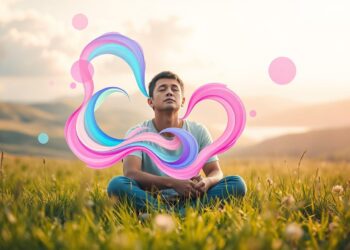
Starting to explore creative visualization begins with curiosity. Writing down ideas or meditating can spark inspiration. Even without a “mind’s eye,” creativity knows no bounds, showing that it’s all about exploring.
The Role of Meditation and Mindfulness
Artists like Nikola Tesla used quirky rituals to focus their minds. Today, meditation for artists is a modern, backed-by-science way to boost creativity. It helps artists quiet their minds and find deeper inspiration.
Studies show that mindfulness makes the brain more open to new ideas. It helps artists break free from old patterns and think outside the box.

Mindful creativity isn’t just about sitting quietly. Artists can practice contemplative art by slowing down their observations. For example, the National Slow Art Day challenge asks artists to spend 10 minutes on a single painting.
This slow focus sharpens their perception, letting them see details others miss. The Rubin Museum even offers podcasts that mix art appreciation with mindfulness.
Research shows mindfulness changes the brain for the better. It helps artists overcome fear and make bold choices. Marina Abramović’s work is a great example of how meditation can fuel creativity.
Start with just 5 minutes of breath-focused meditation before you begin a project. Over time, this focused awareness can turn stress into clarity. Whether through mindful drawing or observation, these practices can open up a calm, creative mind.
Technology and Inspiration: Digital Tools
Today, artists use digital inspiration with artistic technology to change how we create. Tools like VR and AR let us dive into interactive worlds. AI, like Google’s DeepDream, creates new visuals, opening up tech-inspired art even more.
For example, AI can help artists come up with ideas 100% faster. This helps painters and designers try out new styles.
The VEIKK Creator A30 pen tablet is just $46.99 and has 8192 pressure levels. It’s great for beginners. Professionals use Wacom Cintiq’s Pro Pen 2 or Apple’s iPad Pro for smooth work.
The Paperlike screen feels like paper, mixing old and new ways of creating. VisualTimmy’s Procreate bundle, on sale for 90% off, has over 1,400 brushes. This encourages artists to try new things.
AI can make music 50% faster, but it also has risks. A study says using AI too much might cut down on skills by 40%. There’s also a debate about who owns AI-made art, with 60% of artists unsure.
But, using AI wisely can make art more real. People like art made with both human and AI help by 70%. Udemy’s digital painting courses teach artists to use tech without losing their touch.
From VR to AI art, digital art tools change how we see inspiration. By using these tools wisely, artists can share their ideas without losing their personal style. The future is about growing our traditions, not replacing them.
Continuous Growth: Learning and Experimentation
Artistic growth starts with curiosity. Artists like Picasso and David Bowie kept changing, showing that growth never stops. They tried new things, like mixing mediums or using the Pomodoro Technique.
Even famous songs, like “Single Ladies,” were made in short sessions. But behind those hits were thousands of hours of practice. Artists spend most of their time learning, showing that hard work pays off.
Creative learning works best with play. Workshops and communities, like those at libraries, help artists grow. Eighty-five percent of creatives say learning new things helped their careers.
Seventy percent say working with others sparks new ideas. Trying new things, like painting with your non-dominant hand, can open up new possibilities. Even small goals, like drawing every day, can help you grow.
Failure is just a chance to learn. Ninety percent of artists see mistakes as chances to get better. Thomas Edison said it’s all about hard work, not just inspiration.
Trying new things, like digital tools or abstract ideas, can turn failures into lessons. Even switching to a new medium, like acrylics, can lead to new styles. This is like how Bowie mixed genres to stay fresh.
Great artists never stop growing. They keep learning and tracking their progress. This keeps their passion alive. The 55% boost in job satisfaction from learning shows that curiosity is worth it.
Whether you’re trying a new style or joining online forums, staying curious keeps the spark alive. The journey of art is a never-ending cycle of discovery, one step at a time.