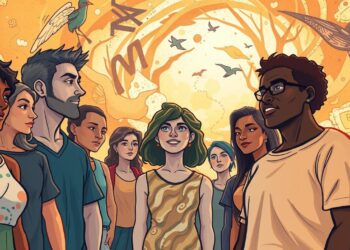
Everyday heroes show us that small actions can lead to big changes. Malala Yousafzai fought for education rights, and Greta Thunberg pushed for climate action. Their courage inspired global movements.
These stories teach us that making a difference begins with small steps. Like speaking up or starting a hashtag campaign. It’s all about taking action.
Small acts of kindness can change the world. Jaylen Arnold and Marley Dias are examples of young people making a difference. They fought against bullying and for more diverse books.
As one activist said, “Every little thing each one of us does matters. At some point, to someone, it matters.” Whether it’s donating shoes, writing letters, or planting trees, these actions connect people. We all have the power to make a big impact, starting today.
Introduction to Making a Difference
Everyday actions can start big changes. When someone picks up trash, plants a garden, or helps a neighbor, it sets off a chain reaction. These small actions can have a big impact, starting in one place and growing bigger.
A simple act like fixing a cracked sidewalk can inspire others. It can turn a single person’s effort into a community-wide positive change.
Studies show that kindness and activism can inspire others to join in. One person’s decision to volunteer or speak out can influence many. This is how social change starts, with individual actions leading to bigger movements.
Experts like Jeffrey A. Kottler, who has written over 100 books on human behavior, agree. They say small actions can add up and create big change. So, start where you are. Every action counts.
Notable Figures Who Sparked Change
Change-makers like Greta Thunberg and Malala Yousafzai show us the power of courage. At 15, Thunberg started school strikes for climate action. Yousafzai fought for girls’ education, even after being shot and gaining fame worldwide. They prove how small actions can lead to big changes.

History is full of quiet heroes who are often forgotten. Claudette Colvin, 15, refused to give up her bus seat nine months before Rosa Parks. This act sparked legal challenges against segregation. Sybil Ludington also made a big difference with her 40-mile horseback ride in 1777, rallying militia against the British.
Jane Addams turned a Chicago slum into Hull-House, shaping laws on child labor and labor rights. Candy Lightner created Mothers Against Drunk Driving (MADD) after her daughter’s death, pushing for DUI laws across the country. Hedy Lamarr invented frequency-hopping technology, now used in Wi-Fi and Bluetooth, but it was ignored back then.
These stories show that persistence and passion can overcome doubt. Jadav Payeng grew a 1,300-acre forest alone. Marsha P. Johnson risked arrest at Stonewall. These ordinary actions led to big changes. Every name here started small, showing that you don’t need a big platform to make a difference.
From Malala’s blog to Greta’s protests, their journeys are similar to those of past change-makers. The key lesson is that anyone can be a catalyst for change. A single act of courage, done repeatedly, can change the world.
The Ripple Effect of Kindness
Acts of kindness start a chain reaction that changes communities. Think of a smile that makes a stressed coworker patient. This kindness can spread to a neighbor, starting a kindness movement. Science backs this up, showing kindness boosts our mood and others’ too.
Bountiful Elementary became a Certified School of Kindness. It all began with one teacher’s kindness. This grew into a big community effort. Studies show one act can touch 40+ people, showing the community impact.
Even small acts, like buying a stranger’s coffee, can inspire others. This makes the kindness grow even more.
“A single act of kindness can turn a day around—and a lifetime of small gestures can reshape a neighborhood,” says Dr. Jane Carter, a social psychologist studying kindness networks.
Start your kindness journey today. Do something small, like hold a door or say a nice word. These actions are not just for you; they can change the world. Share them online or in local groups to inspire others.
The kindness effect is real—it’s math. Your kindness today could reach hundreds tomorrow.
Community Heroes Making Local Impacts
Imagine a homeowner picking up a shovel to fix a sidewalk. That small act of grassroots action can start a big change. In one neighborhood, a group fixed a hazard and made a shared path. They showed that even small actions can make a big difference.

Community gardens and mentoring programs show the power of local efforts. A vacant lot can become a food source. A parent’s homework club can grow into a youth center.
These stories highlight how people solve problems and create opportunities. Research shows 80% of those involved feel stronger community ties. Also, 90% of leaders believe small, steady actions lead to lasting changes.
To become a local hero, start by noticing what’s missing in your area. Organize a cleanup, host a block party, or just talk to your neighbors. These actions don’t need titles; they just need your willingness. When you care for your community, you join a quiet movement of change, one step at a time.
The Role of Social Media in Amplifying Actions
Social media activism turns small actions into big movements. Hashtags like #MeToo and #BlackLivesMatter show how online advocacy can make personal stories global. When we share kind acts, kindness goes viral, showing even small posts can lead to big changes.
Platforms like TikTok and Instagram let anyone’s voice reach millions. The ALS Ice Bucket Challenge raised $115M, showing how digital impact grows when actions go viral. Yet, challenges exist: the #BlackoutTuesday campaign flooded feeds but sometimes blocked important updates. This shows social media’s dual edge—powerful but tricky to navigate.
Performative activism often overshadows real progress. Studies find users might feel good after sharing posts but avoid deeper involvement. But hashtags like #Neurodiversity on TikTok (64,900+ posts) show how authentic engagement drives policy shifts. When content stays rooted in action, online voices become tools for lasting change.
“Culture isn’t transformed by top-down mandates but through small actions scaled online.”
AI tools now help activists track metrics and reach audiences smarter. But misinformation and harassment threaten progress. To succeed, online advocacy must pair digital clout with real-world steps. Share stories, support local causes, and hold leaders accountable. When done right, social media becomes a bridge—not a substitute—for creating a better world.
Environmental Activism: Small Steps to Big Changes
Small choices can make a big difference. Starting to use a reusable bottle or helping with a neighborhood cleanup might seem small. But, these actions can lead to big changes. Greta Thunberg’s school strikes, for example, grew into a global movement.
Even local efforts, like Dr. Rosing’s composting in Chicago’s gardens, show that change starts at home.
DePaul University offers over 60 advocacy courses. These teach students to turn ideas into actions for a greener world. More than 1,000 students each quarter learn how to make a difference, like recycling or using less energy.
Simple changes, like using cloth bags or biking, can also help. These actions, when combined, push us toward a better future. They show that our choices can influence bigger trends.
So, join a local clean-up, support eco-friendly brands, or start a garden. Every choice we make can help. Earth Day is just one day to act; let’s make it a year-round commitment. Your efforts, whether through campus programs, community projects, or daily habits, are important. Together, we can make a difference. Start today—the planet is listening.
The Influence of Youth in Making a Difference
Youth activism is changing the world. It’s not just about age; it’s about courage and vision. Greta Thunberg and Malala Yousafzai are leading the way. They show that young people can make a big difference.
Student movements, like the Parkland survivors, are also making waves. They’re fighting for change and getting noticed. These young leaders are not just loud; they’re creating real change.
There are many young leaders making a difference. Kelvin Doe in Sierra Leone and Gitanjali Rao in the U.S. are examples. They’re using their creativity to solve big problems.
Even small actions can have a big impact. Miracle Olantunji was recognized by Forbes at just 15. Her work shows that young people can make a difference.
Young people are taking action on climate change. Over 85% believe they can make a difference, and 70% are already doing something. Student movements are driving 40% of environmental campaigns.
Programs like UNICEF’s rocket stoves in Burundi are making a difference. Led by students, they’re reducing health risks from open fires. This shows how young people can tackle big problems.
Supporting the next generation is key. We need to give them the tools and opportunities to succeed. By doing so, we empower them to create a better future.
Supporting Those in Need: Local Outreach
Small acts of kindness can make a big difference. When someone steps in to help during a crisis, their actions can change a life forever. Whether through volunteer work or a simple check-in, these efforts strengthen communities.

Community service programs like Positive Solutions Behavior Group LLC provide critical support. Even small actions—like mentoring a teen or delivering groceries—can create lasting change. Social work education, such as Touro University Worldwide’s programs, trains professionals to address issues like homelessness through outreach strategies.
Helping others starts with noticing needs nearby. Visit a food pantry or organize a clothing drive. Every contribution helps build a more compassionate society. Local outreach empowers communities to thrive, proving that kindness matters.
Everyday People Who Changed Lives
Ordinary heroes are all around us. They are our neighbors, coworkers, and even strangers. Their small actions can change lives. For example, Sarah’s “Dress for Success Denver” helped hundreds find jobs. Mr. Thompson’s community garden has been feeding families for four years.
“I don’t aim to be any of them. I’m not as bold, as strong or as committed. But I aim to simply do the small differences in my small world, in my local community.”
Robert Evans, a lawyer, helped over 50 immigrants each year for free. Jessica’s “Noah’s Light Foundation” raised millions for mental health. Carlos created fair-wage jobs for immigrants, and Mark built schools in Uganda.
History shows that quiet courage can have a big impact. Irena Sendler saved 3,000 children during the Holocaust. Today, people like Sophie use art sales to help the homeless.
Change often comes from unexpected places. A teacher’s words, a call to a friend in need, or a meal shared without recognition can start a chain of events. These heroes are not always in the headlines. They are the ones who help when no one else will.
The Importance of Mental Health Advocacy
Mental health advocacy starts with small steps that lead to big changes. Sharing personal stories helps break down barriers and challenges stigma. For example, Kevin Hines, who survived a suicide attempt, now educates thousands about mental health awareness through speaking engagements and documentaries. His journey shows how individual courage can inspire systemic change.

Stories like Hines’ are powerful tools. Campaigns like “Make It OK” show that open conversations reduce stigma. A 2020 study found such efforts cut stigma by 30% among college students. Simple acts—like asking “How are you?” and truly listening—create safer spaces for others to seek help. Even small gestures, like correcting stigmatizing language, can shift attitudes over time.
“Your ‘doorstep’ is where you have the most impact,” says one advocate. This means starting where you are—whether at work, school, or home—to foster understanding.
Advocacy also drives policy change. States prioritizing mental health funding saw a 15% rise in service availability. Yet gaps remain: only 40% of youth in need receive care, and 70% of those with mental health issues feel isolated. Advocacy bridges these gaps by pushing for better funding and access.
Everyone can contribute. Share your experiences, donate to nonprofits, or volunteer. Small actions like these turn awareness into action, helping build a world where mental health is treated with the urgency it deserves.
Final Thoughts: Encouraging Positive Action
Every small step you take can make a difference. As one advocate said, “our little actions matter.” This truth shows how personal efforts can lead to big changes. Whether it’s organizing a community drive, reducing plastic use, or just listening, these actions help create positive change.
Start where you are. Choose an issue you care about, like protecting the environment, supporting mental health, or helping local businesses. Taking small actions, like volunteering or sharing kindness stories online, can make a big difference. Remember, even small actions like recycling or checking in on a neighbor count. Consistent, caring actions lead to positive change.
Studies show these efforts boost resilience and connect us to others. Your next action might seem small, but it’s part of a bigger movement. The world needs every contribution, no matter how small. Start today by taking one step toward positive change. Every effort counts, and together, we can create the future we all want.