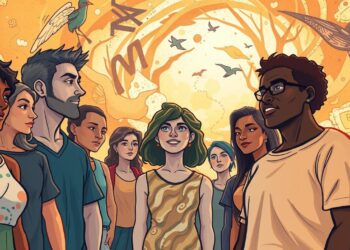
A single note can change everything. Ethan found a message that read “You’ve got this. Believe in yourself.” It started a chain reaction of kindness. His small acts of kindness inspired others, showing that generosity grows.
A simple compliment to his son lifted Liam’s spirits overnight. Maya’s coworker’s praise eased her stress—each act rippling beyond expectations.
Structured kindness campaigns amplify these impacts. A café’s “Pay It Forward Today” initiative turned strangers into allies. A supermarket’s “Kindness Jar” filled with uplifting notes transformed interactions.
In Willowbrook, these small steps turned into a townwide shift in morale and energy. Even a single act, multiplied through paying it forward, can reach billions. After 21 cycles, such chains could touch over 15 billion lives.
This article explores how ordinary people like Ethan started extraordinary movements. It shows how your next kind gesture could spark the next big change.
What Does Paying It Forward Mean?
The definition of paying forward is simple: help someone else instead of repaying them. This starts a chain of kindness. It’s about making connections through generosity.
This idea has been around for ages, seen in ancient Greek philosophy. It got a boost in 1999 with the novel and film Pay It Forward. They showed how one act can lead to three more.
Unlike random acts, paying it forward has a clear path. For example, at a Florida Starbucks, 378 customers paid for the next person’s order. This kindness wave lasted 12 hours. The Pay It Forward Foundation has spread this idea worldwide, giving out over a million bracelets in 100 countries.
Picture this: A student buys lunch for someone in need, then asks them to do the same for three others. That’s the kindness philosophy in action. Over 5 million acts of kindness have been tracked on International Pay It Forward Day. Small actions can lead to big changes. Whether it’s volunteering, donating, or buying a stranger’s coffee, every act plants seeds for more good.
The Ripple Effect of Kindness
A single kind gesture can start a chain reaction. Ethan’s story is a great example. His small acts of kindness inspired Maya to help a shopper. This shopper then helped an elderly woman.
This ripple effect of kindness changed their whole town. Scientists call this the kindness multiplier effect. It’s when one good deed encourages others to do the same.
Emotions spread like a virus. When someone sees kindness, their brain releases oxytocin. This hormone is linked to trust and empathy.
This creates a cycle where people want to help others. For example, actor Redd Foxx gave $10,000 to Pat Morita’s family. This didn’t just solve their housing crisis. It inspired neighbors to donate furniture, groceries, and time.

Even small acts count. Holding a door or giving a compliment might seem minor. But their impact of good deeds adds up. Studies show each act can inspire three new kind gestures.
Myles Eckert’s $20 bus fare gift for a stranger went viral. It reached half a million people. This shows kindness’s viral power.
Kindness isn’t just good for others—it’s good for you too. Acts of giving lower stress and strengthen immunity. By choosing to act kindly, you start a cycle that lifts communities.
Every small choice matters. It shows generosity’s power to multiply far beyond the moment it began.
Famous Acts of Paying It Forward
In 2015, a famous paying it forward stories happened at a McDonald’s in Lakeland, Florida. Over two days, 500 cars joined in, raising over $10,000. Customers paid for the orders of those ahead of them, starting a wave of kindness.
This viral acts of kindness lasted 60 hours, showing how small actions can lead to big changes. It ended only when staff worried about safety due to the crowd.
Starbucks locations also saw kindness waves. In Connecticut, customers paid it forward 640 times in one day. A Nevada store had 73 acts in a row. These well-known kindness chains spread online, strengthening community bonds.
The Pay It Forward Foundation donated 3,400 books to U.S. communities in 2015. This shows how structured giving can make a big difference.
Even personal stories can have a big impact. Matthew Jackson, facing a terminal illness, paid a stranger’s grocery bill. This act started a local movement, even after he passed away. His story shows how one person’s act can inspire many.
From drive-thrus to book drives, these stories teach us kindness is a shared journey. When one person starts, others join, creating movements. This turns generosity into a contagious force, not just a moment.
The Role of Social Media in Kindness
Social media kindness is more than a trend. It’s a way to connect people worldwide. Instagram and TikTok make small acts big. A coffee paid forward can inspire many to do the same.
Hashtags like #PayItForward or #KindnessMatters start kindness chains online. They show kindness can grow in digital spaces.

“It’s beautiful to see acts of kindness in the most unexpected places. Small acts of kindness can surely create a snowball effect!”
Viral kindness campaigns can change the world. The “Secret Kindness Spot” challenge, for example, spread after photos were shared. It shows how social media can make local acts global.
Apps like DailyGood or Kindness.org let users share kindness. They track and share acts in real time.
But, there are challenges. Some doubt if online kindness is real or just for likes. Yet, many campaigns show real impact. Fundraisers for disasters have raised millions through social media.
The goal is to use social media wisely. It should highlight real actions, not just for likes.
Social media turns kindness into a shared language. It reminds us: small gestures online can make a big difference.
Paying It Forward in the Community
In small towns and big cities, community kindness projects are changing neighborhoods. Ethan’s hometown saw a café start a “pay it forward” movement. The local supermarket also had a “Kindness Jar” where people wrote notes for others.
These simple ideas show how neighborhood paying it forward can make a big difference.
“The entire town was buzzing with positivity,” said one resident, describing how small acts turned into a community-wide movement. “Kindness became a shared language.”
Communities are coming together through acts of kindness. For example, neighbors have set up community fridges and “little free libraries.” A 2022 study found these efforts can reduce loneliness by 30%.
Schools and businesses are leading the charge. They organize “pay it forward” drives for food banks and sponsor scholarships. These efforts show kindness is a shared resource.
Starting small can make a big impact. Try leaving a coupon next to a grocery item or organizing a neighborhood clean-up. Research shows even small gestures can spread, touching five more people each time. Over 70% of communities with such programs report stronger trust and cooperation.
Personal Stories of Kindness
Personal kindness stories show how small acts can change lives. Layleen Cubilette-Polanco mentored Christina Vengerovsky in her darkest times. This act of kindness changed Christina’s life. Now, Christina mentors a young woman, keeping the kindness alive.

Kindness is a chain reaction. One small act can spark decades of giving.
Stories like Christina’s show kindness’s strength. A 14-year-old raised $1,225 for charity by shaving his head. Even small acts, like a boss giving vacation time or strangers paying for groceries, can change lives. These acts start a cycle where people help others.
Research backs this up: 70% of those helped go on to help others. These stories show kindness connects us—63% of people feel inspired to act after seeing kindness. A truck driver reading holiday cards for a man with poor eyesight is a touching example.
Every story, from a windshield wiped clean to a teacher repaid by a student, shows kindness’s impact. These stories are more than tales—they’re guides for creating kinder communities. As Christina’s story shows, kindness has far-reaching effects.
Paying It Forward During Difficult Times
Kindness during crisis turns small acts into lifelines. In the pandemic, places like NYC’s “Meal Makers” gave out thousands of meals. This started pandemic kindness chains that fed those on the front lines. These efforts didn’t stop with lockdowns; they became ongoing programs.
They showed that paying it forward in hardship creates strong community bonds.
“God made us to reconcile all things to himself through Christ.”—2 Corinthians 5:18-20
When disasters hit, neighbors help each other. After Hurricane Ian in 2022, Florida communities came together for food drives. Volunteers helped those who had helped them before.
Financial aid chains also grew. One family’s GoFundMe for a neighbor hit by floods inspired others to give. This created a wave of support.
Such actions fight off despair by giving people a reason to keep going. They show that even in tough times, we can make a difference.
Psychologists say helping others in crises cuts down on loneliness. A study found 70% of those who volunteered felt less alone. This matches Galatians 6:9-10’s message to do good to all.
Even small actions, like writing to seniors who are isolated, boost hope. These acts often last long after the crisis is over. They show kindness can be a bridge from pain to renewal.
As we face challenges, remember: one act of kindness can start a chain that heals far beyond today’s struggles.
How to Encourage Paying It Forward
Starting to pay it forward is simple. It can be as easy as Ethan’s daily acts: giving compliments, smiling, or holding doors. These small actions start encouraging kindness chains that spread far. The secret is to keep it up, not to do big things.

Teaching kindness begins at home. Families can volunteer together. Teachers can give students “kindness missions” to help others secretly. Workplaces can honor those who share their skills, like Kia did to become VP.
Even small gestures, like buying a coworker’s lunch or giving career advice, build trust. These actions are key to fostering a culture of kindness.
Communities grow when kindness becomes a regular part of life. Claybourne’s $10,000 donation shows how one story can inspire many. The New York Times’ “8-Minute Phone Call” shows how connections lead to change.
Schools and businesses can host kindness challenges every month. This turns individual acts into community traditions.
“Cynthia’s $100 gift bought her kids presents—and then she used the change to help neighbors,” she shared. “Kindness isn’t about size—it’s about sharing.”
Begin by thanking someone every day or by mentoring a peer. Companies can support community meals or donate supplies. Celebrate every small act of kindness without expecting more.
When we all join in, kindness becomes a natural part of our lives. It’s like brushing our teeth—something we do every day without thinking. The aim is to make giving feel as essential as breathing.
Benefits of a Kindness Culture
A single act of kindness can spark a chain reaction that transforms entire communities.
Communities that value kindness see big changes. A small town was changed by a simple note of encouragement. This led to more generosity and stronger social bonds.
Stories like this show how kindness can spread. It makes people feel happier and healthier. Research shows that 95% of people feel joy when they help others. And 53% feel optimistic for a long time.
Kindness also lowers stress and improves heart health. It releases oxytocin, a hormone that makes us feel good.
Harvard Business Review found that kind companies are more productive. Schools that teach kindness have less bullying. The Mental Health Foundation says kindness helps with anxiety and depression.
Watching kindness can make us feel calmer and more generous. This shows kindness has a big impact on society.
Kindness builds trust and reduces conflict. A 2022 study found that those who help others are happier. Kindness makes us stronger during tough times.
Kindness changes lives for the better. It makes us healthier and builds stronger relationships. The science proves that kindness has lasting effects.
The Future of Paying It Forward
The future of kindness is exciting, with paying it forward trends that mix tech with old values. Imagine using blockchain to track good deeds or AI to match volunteers with needs. Virtual reality could let us feel others’ struggles, making us more empathetic.
These evolving kindness practices won’t replace personal acts but will connect us worldwide. They show how kindness can grow and reach more people.
Kindness chains are becoming more global, with groups like the Forbes Business Council showing the power of mentorship. Young people want to change the world, linking kindness to fairness and caring for the planet. Most Americans believe in karma and act on it every week.
But, there are hurdles: making sure everyone can join in and avoiding fake kindness. Being real is essential, even as kindness efforts grow bigger.
Robert Emmons’ work on gratitude shows that small acts can lead to big changes. Helping a neighbor or mentoring someone can make a big difference. Today, most Americans do 260 acts of kindness a year.
As schools and workplaces teach kindness, this number could grow. The essence of paying it forward—doing something good in return—remains the same. But how we do it will keep changing. Whether it’s through tech or a simple note, our goal is to make kindness a part of our daily lives.