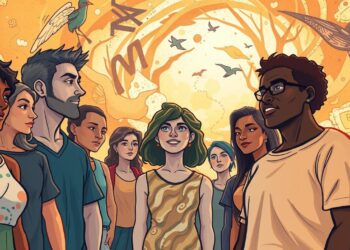
Stories of generosity remind us that kindness can change lives. A GoFundMe campaign saved Seattle’s artists. A diner gave an 806% tip at Tomodachi Sushi, showing unexpected kindness.
Even small acts, like Greg Dailey’s free groceries for 100 seniors, rebuild trust in humanity. These stories show the power of giving.
Helping others makes both the giver and receiver feel better. Julia Wise and Jeff Kauffman donated half their income, inspiring others. Their acts, like a van donated by the Haanen family, show compassion unites us.
Read on to see how these acts of kindness turn crises into hope.
Unexpected Acts of Kindness in History
Historical generosity often goes unnoticed. Andrew Carnegie, a steel tycoon, funded over 2,500 libraries worldwide. His secret giving changed education, but he never sought praise.
Alfred Nobel’s famous charitable acts—the Nobel Prizes—came from a life-changing moment. After seeing his own obituary, he changed his will. He wanted to honor scientific and peace efforts, showing kindness can change legacies.
In 1914, even enemies found peace during the Christmas Truce. German and British soldiers exchanged gifts and sang carols. This rare moment showed humanity’s compassion in war.
Years before, the 1889 Johnstown Flood killed 2,200 people. But, nationwide donations helped survivors. This showed how tragedy can unite communities.
Clara Barton, founder of the American Red Cross, risked her life in the Civil War. Her work helped create disaster relief systems today. These stories show kindness in history can last, helping us support each other through time.
Notable Contributions by Major Brands
Corporate philanthropy is more than just a trend—it’s a real change in how businesses help others. Brands like TOMS started the “one-for-one” model, giving away over 100 million pairs of shoes and supporting eye care. This shows that companies can make money and do good at the same time.
Patagonia took it a step further by donating all its Black Friday sales to help the environment. This shows that business donations can lead to big changes.

Warby Parker has given away over 8 million glasses, while Bombas has donated 40 million socks to homeless shelters. These efforts are more than just marketing—they tackle big problems. Even smaller brands like Mable and Two Blind Brothers use their profits for mental health and medical research. This shows that any size of brand can make a difference.
Jeff Bezos’ Bezos Earth Fund has pledged $10 billion to fight climate change, including $150 million for climate justice groups. His $200 million donation to the Smithsonian shows how wealth can change cultural institutions. Ben & Jerry’s has donated 7.5% of its profits to social justice for over 30 years, sticking to its mission.
Now, 71% of consumers choose brands that give back. Companies like Tentree, which has planted 57 million trees, or STATE, which donates toys one-for-one, show that being ethical builds loyalty. These stories show that doing good is not only good for society—it’s also smart for business.
Heartwarming Stories from Everyday Heroes
Everyday kindness turns simple acts into big gestures. For example, 40,000 college students at Atlanta’s Passion Conference raised $448,370 for the Deaf Bible Society. Their effort shows how community generosity grows when people come together. Zechariah Cartledge, a 10-year-old, ran over 200 miles to honor fallen police officers, raising $50,788. His courage turned into life-changing donations.
Leah Stauffer’s Christmas event fed 60 families with 40 volunteers, thanks to anonymous donors. In New York City, strangers lifted a car off a trapped boy, showing how kindness saves lives. A $25 Dunkin’ gift card even started a chain where one stranger paid for 3 people’s orders, showing kindness can multiply.
“A returned wallet restored my faith in humanity,” said one man who lost his belongings. “The stranger didn’t ask for thanks—it was pure kindness.”
These stories show ordinary heroes are all around us. Burly Man Coffee plans to gift 100 cars to single mothers, showing compassion in action. Brenton Winn, once homeless, found redemption through baptism, proving generosity can change lives. Every act, big or small, creates change. Community generosity is about choosing to care, not about wealth.
Crowdfunding: Changing Lives Overnight
Crowdfunding has changed how we give to charity. Campaigns like Stormzy’s £9,000 for Fiona Asiedu’s Harvard tuition show the power of online donations. These crowdfunding success stories show how small donations can add up to big changes.

Stars like Taylor Swift and Nicki Minaj have used online donations to help others. Swift’s $50,000 for a child with leukemia or her $1 million for Louisiana flood relief show how celebrities can make a big difference. Everyday heroes also make a big impact, like Walter Carr, whose GoFundMe campaign raised $92,000. He gave $66,000 to education, showing the power of community fundraising.
James Shaw Jr.’s campaigns raised over $240,000 for his foundation, showing what can be done with collective action. But there are also challenges, like a 2017 scam that raised $400,000. Despite this, platforms like GoFundMe and Kickstarter keep growing. They let anyone donate, from $5 to $500. Crowdfunding makes giving easy and accessible, turning clicks into hope overnight.
Celebrities Who Gave Unexpectedly
Some stars do secret charity work without seeking attention. George Michael secretly gave to Childline charity, revealed after his death. Elvis Presley gave Cadillacs to strangers, showing star generosity can be hidden. These acts change how we see famous philanthropists.
Zach Galifianakis gave a home to Mimi Haist, a former laundromat worker, for years. Ben Affleck and Alec Baldwin also gave without seeking praise. Russell Crowe’s quiet acts add to this legacy of giving.
These stories show true kindness is in quiet actions. Their secret charity work proves kindness is more important than fame. By staying anonymous, they show compassion is in the heart, not in the spotlight.
The Impact of Community Initiatives
Community projects and grassroots movements are changing neighborhoods in the U.S. They turn challenges into chances for growth. In Detroit, empty lots are now urban farms, feeding thousands. This shows how small actions can make a big difference.
These efforts rely on neighborhood support. Trust and shared goals are key to success.
The Asian Women Giving Circle gave $1.5 million to empower Asian American leaders over 17 years. Such local initiatives tackle big issues that others ignore. The Fred Hollows Foundation’s sight-restoration programs also show the power of focused giving.
“When people work together, even the smallest act can spark a movement,” says a community organizer in Chicago.
Studies show donors of color often aim for systemic change. Black and Asian American givers focus on racial justice. They build bridges through teamwork.
Grassroots movements do more than solve problems. They create connections. Community gardens, education efforts, and safety patrols make spaces safer and healthier. They also strengthen social bonds.
To get involved, start by noticing what your community needs. Go to town halls, join cleanups, or host fundraisers. Small actions like walk-a-thons and neighborhood cleanups can solve problems and build friendships. Every effort, no matter how small, makes a community stronger and more caring.
Acts of Kindness During Natural Disasters
When disasters hit, regular folks turn into crisis heroes. The Cajun Navy saved 25,000 lives during Hurricane Harvey. This shows how disaster response can be effective.
A Yale student and friend rallied 1,300 volunteers in 72 hours. They helped New York’s most vulnerable during the pandemic. This shows catastrophe generosity can shine through even in tough times.
Social media became key during disasters. In the UK, people used Facebook to help each other. They shared resources and shelter info.
Australian supermarkets gave special hours to older shoppers. This shows emergency kindness can come from businesses too. These actions brought strangers together.
Small actions can lead to big changes. From Italian concerts during lockdowns to sharing ventilators in NYC hospitals, these acts are powerful. They remind us that kindness is a strong force in times of crisis, bringing people together long after the disaster is over.
Generosity in the Face of Adversity
When life gets tough, most people just try to survive. But some choose to give, even when they have almost nothing. These unlikely donors show us that selfless generosity can bloom in unexpected places. Their acts of kindness prove that charity is about courage, not just money.

In 2012, Anthony Omari risked his life to protect orphans in Kenya. Even after being cut deeply during a home invasion, he became a symbol of sacrifice for others. His bravery started a campaign that went from a $2,000 goal to over $65,000, funding security upgrades. This giving despite hardship inspired a worldwide movement, showing that kindness knows no borders.
In U.S. cities, homeless people start food drives. Refugee communities in Jordan share what little they have with newcomers. These acts of kindness turn survival into a shared effort, showing that generosity can grow where hope remains. Even those with little to give become beacons of hope for others.
Science supports these stories. Research shows that hardship can increase empathy, leading people to give more. Omari’s story is a perfect example: a man with nothing to lose risked everything to help others. His story teaches us that true philanthropy is about the heart, not just the amount of money given.
Unconventional Acts of Giving
Generosity isn’t always about money. Innovative charity happens when people think differently about what they can give. A retired worker gave his job to someone in need, starting a chain of jobs. A CEO gave a company car to an employee who had a long commute. These acts show how unconventional donations can change lives.
Across the country, creative giving is making a difference. Eight female students donated 14 inches of hair to cancer patients. A Delta agent comforted a traveler with a hug and tissues, showing unique generosity. Even small acts, like a teen donating toys to a fire victim or a boy sharing birthday gifts with an animal shelter, can have a big impact.
Think about a laptop given to a student as a “future investment” or a vet adopting homeless kittens. These acts change how we see charity. A woman’s $5 gift to a stranger or a customer’s kind words to a sandwich shop worker show kindness doesn’t need to be big. From kidney transplants between ex-spouses to free taxi rides, these stories show generosity can be found in unexpected places.
These stories teach us that unconventional donations can leave lasting marks. Whether it’s skills, time, or resources, creativity in giving is powerful. As seen in 75 stories from Makes Me Think, kindness grows where tradition fades—showing compassion has no bounds.
Global Generosity: Stories That Moved Nations
Historic efforts like the Marshall Plan after WWII show international charity. It rebuilt Europe with U.S. aid. Such acts of global kindness have united nations during crises. They prove compassion can overcome political divides.
“Kindness is the universal language that speaks to every heart.” — Unknown

In 2005, Mexico showed cross-border generosity by sending aid workers to the U.S. after Hurricane Katrina. Despite its own economic struggles, it helped. This was similar to the worldwide donations surge during the ALS Ice Bucket Challenge. It raised over $220 million globally to combat disease.
These acts show how crises spark unprecedented solidarity. From post-war recovery to viral social movements, generosity bridges divides. Countries like Japan and Germany joined relief efforts after the 2004 Indian Ocean tsunami. This proves global kindness knows no borders.
Even small gestures, like Iceland sending bread to war-torn nations, inspire big change. These moments remind us generosity knows no borders. Whether through aid programs or grassroots campaigns, these acts build bridges. They turn crises into chances for connection. Humanity’s capacity for cross-border generosity keeps redefining what’s possible when we choose compassion over conflict.
Surprising Donations from Unexpected Places
Unexpected donors often leave us amazed. The Chan family and Morningside Foundation gave Harvard $350 million in 2014. This was the largest gift in Harvard’s 378-year history. They renamed the school’s public health education after Dr. T.H. Chan.
This act showed us that anyone can make a big difference. It changed how we think about who can help.
Even in tech, we see surprising donations. Mark Zuckerberg pledged $45 billion to his Chan Zuckerberg Initiative. He used a special LLC structure to fund nonprofits, invest in startups, and push for policy changes. This way, he avoided the usual limits of charities.
His method shows how giving can be done differently. It shows the power of anonymous giving in changing the world.
Anonymous giving can also lead to quiet changes. Secret donors have wiped out student debt for whole classes or funded community gardens. They didn’t want any credit.
Young people are also making a big impact. Teens have started food drives and climate initiatives that are just as big as those from companies. These stories show that kindness can come from anywhere.
The Ripple Effect of Generosity
Small acts of kindness can start a chain of kindness that changes communities. When two donors gave $10,000 each to 200 strangers, most gave back. This shows how generosity can grow and spread.
A bakery gave free bread to families in need. This act not only helped others but also boosted the bakery and neighborhood trust. These stories show kindness can grow and have a lasting generosity impact.
Platforms like Giving Tuesday and TED’s free talks show generosity can spread far. The “Mystery Experiment” study found kindness leads to more kindness. Even small actions, like a tech company mentoring schools, can make a big difference.
Research shows giving can reduce stress and improve mental health. It creates a cycle where both givers and receivers benefit. The Akshaya Trust and Sujan’s community meals during crises show kindness can multiply and bring people together.
Every small action counts. Whether it’s donating time, resources, or a smile, your actions can start a chain reaction. The kindness multiplication effect reminds us: generosity is not just about what we give. It’s about inspiring others to give too. Let’s keep the kindness flowing.