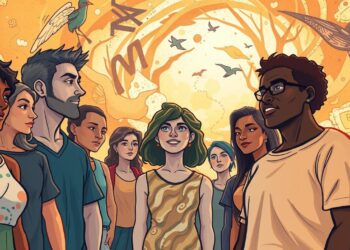
Hope is more than a feeling; it’s a powerful force that changes lives. Job lost everything but found transformative hope and got double blessings. Joseph, sold into slavery, became a leader of a nation. These hope stories show hope’s power of hope can last through tough times.
Katherine Wolf says hope grows with each challenge. Like David against Goliath or the woman healed after 12 years, hope changes and grows. Aga Khan IV calls it “the most powerful human motivation,” turning pain into purpose.
Hope isn’t just a goal; it’s the drive that keeps us moving. Let these stories inspire us: hope is present in every step of our journey.
The Essence of Hope: What It Really Means
Understanding the meaning of hope goes beyond simple definitions. Unlike optimism, which looks at positive outcomes, true hope is about believing and taking action. Katherine Wolf says hope is a cycle of healing and striving.
This hope definition sees pain but keeps moving forward.
“Hope is the evidence of God’s power within us that allows us to see past the present trouble to the glorious unveiling of Jesus and the increasing sweetness of our relationship with Him.”
Research shows hopeful people are 14% more likely to feel satisfied with life. Unlike optimism, which might ignore problems, true hope faces reality and seeks improvement. For example, 70% of those with chronic illness found hope helped them cope better, even without guaranteed success.
This shows hope’s strength in facing challenges. Studies also found hopeful people reach their goals 25% more often because they keep trying.
Hope’s strength comes from its ability to adapt. It’s not a shield against hard times but a guide through them. In the workplace, hopeful employees are 37% more productive, showing hope’s real-world benefits.
By seeing hope vs optimism, we understand hope as a choice we make every day. This active choice drives personal growth and helps us move forward together. It sets the stage for how hope shapes our lives in the sections that follow.
Historical Figures Who Embodied Hope
History’s biggest moments came from historical hope figures who never gave up. Martin Luther King Jr. is a symbol of courage. His “I Have a Dream” speech continues to inspire today.
His dream of equality brought millions together. It showed that words can spark change.
My late father, raised in a war-torn village, clung to hope despite anti-Semitism. His resilience became an inspiring hope story, showing how small acts of belief can outlast despair.

Shimon Peres was a hope leader for decades. He fought for peace between Israelis and Palestinians. His dream of a two-state solution and tech progress brought people together.
His life, from horse-drawn carriages to driverless cars, showed his endless optimism. His conferences brought leaders together, proving hope drives innovation.
John Hope Franklin changed history with his research. His book From Slavery to Freedom is a key part of American studies. Through his work, he turned overlooked stories into lessons for equality.
His work shows hope is not passive. It’s a powerful force carried by those who act, even when the odds are against them. Their legacies remind us to build bridges, not barriers.
The Impact of Hope in Personal Lives
Hope turns struggles into stepping stones. Think of all the personal hope stories where people facing tough times used hope to start anew. Doctors say hope and recovery are closely linked: those who stay hopeful heal faster, both mentally and physically. A medical team shared,
“Encouraging hope during serious illness improves mood and can foster recovery,”
Simple hope practices like writing down things you’re thankful for or imagining your goals can help you get through tough times. Studies show that hopeful people see challenges as opportunities to grow, not as dead-ends. During the pandemic, many found hope in small wins, showing us that overcoming through hope is achievable even in hard times. Research found that hopeful people have better health, fewer chronic illnesses, and stronger relationships.
These results match Snyder’s hope theory, which connects hope to clear goals, persistence, and creativity. High-hope teens, for example, adapt better to school changes, showing hope’s impact on our futures. By setting achievable goals and surrounding ourselves with support, we turn uncertainty into possibility. Hope is not just waiting for things to get better; it’s a skill we build through action, reflection, and believing in our growth. Every day is a chance to practice it.
Hope in Literature and Art
Stories and art have long been ways to share hope. In hope in literature, authors like J.R.R. Tolkien showed resilience in their stories. His famous line “where there’s life, there’s hope” talks about never giving up.
Works like L.M. Montgomery’s Rilla of Ingleside also show this theme. It deals with grief but keeps looking forward to the future.
“Where there’s life there’s hope.”
Visual artists use hope themes art to fight against despair. Picasso’s Guernica shows the horrors of war but also hints at fighting back. Cherie Dimaline’s The Marrow Thieves has Frenchie, whose dreams are about surviving in a bad world.
Even music carries hope. Aaron Copland’s Fanfare for the Common Man and Beethoven’s Ode to Joy bring people together through sound. They are examples of hope creative works.
Studies show hope’s importance in mental health and making policies. Jean Little’s novel If I Die Before I Wake reflects today’s struggles. It shows how art helps us deal with hard times.
Philosopher Jonathan Lear talks about “radical hope.” He explains how we can stay hopeful even when things seem impossible. This shows that creativity keeps hope alive.

From old myths to today’s stories, these works teach us something. Hope is not just a feeling. It’s a strong thread that runs through every story, painting, and song.
Community and Collective Hope
Hope grows stronger when we share it. Communities coming together can face challenges that one person can’t. Neighborhoods rebuilding after disasters or global movements fighting inequality show the power of shared hope power. Small acts of kindness can lead to big changes when we work together.
“Hope also contributes to our propensity to help others who are in distress, including strangers as well as loved ones.”
The “Hope: the group project (Huddle)” was a 3-month effort. It brought 12 people together every two weeks from January to April 2024. They explored how communities can reconnect with hope through the Huddle’s Explore, Develop, Showcase structure.
Participants worked on various projects, from solving local food shortages to tackling climate change. This showed how community hope can turn ideas into real solutions.
Studies show that communities with hope are more resilient. Collective hope helps solve problems, as seen in groups like Hope Rising Washington. They found that shared goals reduce burnout and keep volunteers engaged.
When we light our “internal candles” of hope, we inspire others. This creates a cycle of support. Schools and nonprofits now use these lessons to build stronger social bonds. This proves that collective hope is more than a feeling—it’s a tool for action.
The Science Behind Hope
Hope science shows how this emotion changes our minds and bodies in big ways. Research finds hopeful thoughts turn on brain areas linked to rewards and motivation. For example, studies show hope helps people solve problems by imagining ways to reach their goals, even when things are hard.

A big study followed 70,000 women for eight years. It found those with a positive outlook had a 14% lower risk of dying from diseases like heart problems. Hope does more than just make us feel good; it also boosts our immune system, lowers inflammation, and reduces stress hormones like cortisol. Doctors now use hope-building practices in their care plans, saying it’s both kind and medically sound.
Hope acts as an antidote to despair, helping patients actively engage in recovery.
Research also shows hopeful people have stronger brain connections between key areas. This makes them more resilient. At Arizona State University’s Hope Center, students with high hope do better in school and have better social skills. Their work with young offenders shows teaching hope can lower the chance of them going back to jail by helping them see challenges as solvable. Hope science proves we can grow and measure this skill, even in tough times.
Cultivating Hope in Difficult Times
With opioid overdoses and mental health issues on the rise, hope is more important than ever. Cultivating hope is not just waiting for things to get better. It’s about taking action. Start by focusing on what you can control.
When times are tough, thinking about what you’re thankful for can change your view. Asking yourself, “What am I grateful for today?” can help keep hope during crisis alive.
“Grant me the serenity to accept what I cannot change, courage to change what I can, and wisdom to know the difference.
This mantra helps you know what you can do and what you can’t. It’s about setting realistic goals. Viktor Frankl, who survived the Holocaust, showed us that finding meaning through action is key.
Seeing a positive future helps maintain hope. Dr. William Miller’s studies show that small actions, like volunteering or mindfulness, can give you back control. Don’t compare yourself to others; your path is your own. When you lose a job or face loss, staying connected with friends and family helps you stay strong.
Hope is not just being positive. It’s about choosing to act, even when it’s hard. As Frankl said, “Everything can be taken from a person but the last of freedoms: to choose one’s attitude.” These steps turn hope into a daily practice, helping you stay strong even when things get tough.
Hope in Education: Inspiring Future Generations
Hope in education lights up classrooms where students believe in themselves. Today, schools are changing how we learn. They make sure every student knows they have a future.
At High Marq Environmental Charter School, teachers help students face big challenges like climate change. They turn fears into plans for action. This is based on Dr. Steven Rippe’s idea of hope: setting goals, finding ways to achieve them, and believing in oneself.

Student success stories start with small wins. At Koshkonong Trails School, a shy ninth grader now leads on sustainability projects. Mindfulness helps teens deal with stress, and hands-on learning lets them solve local problems.
These approaches show Larry Hale’s point: hopeful teaching can change how we see the world.
“Before, I didn’t see my future. Now I’m part of fixing it,” shared a high schooler after restoring a polluted riverbank. Their school’s environmental curriculum merged math equations with ecological impact, proving educational hope isn’t just theory—it’s actionable.
Schools now focus on what students are good at. By linking lessons to global goals, like the UN’s Sustainable Development Goals, they prepare students to make a difference. The Global Day of Hope on October 14th encourages schools to highlight student projects, giving a voice to the unheard.
Every classroom can be a place of hope. By letting students guide lessons, teachers help build resilience. As teens work on projects like rebuilding forests or supporting mental health, their stories show us: education is more than just learning—it’s about believing in a brighter future.
Global Perspectives on Hope
Hope looks different in every culture. Israel’s national anthem, *Hatikvah*, celebrates the nation’s strength. A Russian saying, “Hope dies last,” shows how it lasts forever. These examples show how hope fits into local traditions but also connects us all.
From Dante’s words at hell’s gates to George Frederic Watts’ *Hope* painting, symbols of hope are found worldwide.
“Hope dies last,” the Russian saying reminds us that hope stays strong even when things seem darkest.
The book *Pedagogy of Hope for Global Social Justice* talks about how education brings us together. It shares stories from Ghana, Brazil, and South Africa. These stories show how hope inspires changes in education, helping those who are often left behind.
Whether it’s through Indigenous knowledge in Brazil or online training in Africa, hope is driving efforts to achieve the UN’s Sustainable Development Goals. Watts’ painting, seen in Theodore Roosevelt’s home and mentioned by Martin Luther King Jr., has become a symbol of hope across cultures.
Studies show that hope is both universal and flexible. The Joseph Smith Translation connects faith and hope. Modern teaching views hope as a way to bring about change. Hope is present in all societies, from ancient myths to today’s classrooms. By looking at hope from a global perspective, we celebrate our differences and our shared dreams.
Why Hope is Essential for a Better Future
Hope is more than a feeling; it drives us forward. Charles Snyder’s Hope Theory shows that hope is about clear goals, the will to achieve them, and adapting to obstacles. This turns hope into steps toward a brighter future.
Studies reveal that people with high hope have better health and live longer. This isn’t a coincidence. It comes from a mindset that keeps us going. Programs like the Ryan White initiative show how working together can change lives. Even small actions, like setting goals or helping others, help us face big challenges like climate change.
Hope’s strength comes from its ability to lead to action. Thinking positively helps our well-being, but true hope requires effort. William Shatner’s space journey showed us Earth’s fragility and our strength. Moments like these teach us that hope is a skill we can develop.
In uncertain times, we must focus on what we can control. By building personal strength, supporting our communities, and staying optimistic, we pave the way for progress. With hope and resilience, we can guide ourselves and others toward a brighter future.