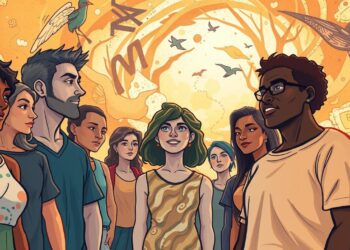
In a world filled with division, these stories show us the power of heroism. Barb Shoop’s story is a perfect example. After a 2016 motorcycle crash, she had 29 surgeries and 86 transfusions in just 27 days. Her survival was thanks to 55 donors who stepped up when she needed them most.
WellSpan’s Blood Donor Centers receive 7,500 donors each year. These donors give nearly 9,000 units of blood, helping save lives. Damien Lynch has donated over 50 times in 25 years, showing his dedication. Younger donors are needed, as most are over 65.
Harsh joined DKMS at 18 and found a match for a 39-year-old leukemia patient just five months later. His donation process was long, but it saved a life. Even a donor in Oklahoma once saved a patient, showing that strangers can make a big difference.
Acts of Heroism in Everyday Life
Everyday heroes pop up when danger hits without warning. Take Stephen Willeford, who stopped a shooter at a Texas church in 2017. His quick thinking, thanks to years of gun training, saved lives. Vickie Williams-Tillman, 57, also showed bravery in 2017, proving age doesn’t limit heroism.

Heroic strangers risk their lives to save others. Willeford’s bravery is a rare example, but it shows anyone can be a hero. Even lifeguards sometimes need help, like the Italian man who saved a drowning victim.
“I had never received assistance from a bystander in such a critical situation before.”
Officer Billy Aime’s words after the church shooting highlight the impact of these moments. Studies show heroes often take risks but don’t see themselves as extraordinary. Their bravery, like Edith Cavell’s WWII rescues or Irena Sendler’s Ghetto escapes, shows heroism knows no bounds. Every year, ordinary people turn tragedy into survival with simple courage.
The Science Behind Helping Others
Understanding the psychology of helping others starts with brain chemistry. When people help strangers, their brains release endorphins. This creates a “helper’s high.” It makes them want to help more, even when it’s risky.
Studies show most people do 1.4 acts of kindness for strangers every day. This proves helping others is a common instinct.

Evolutionary theories explain why why strangers help despite dangers. Biologist George Price’s equation showed helping others can help groups survive. This ensures long-term benefits for individuals.
His work shows helping others, even strangers, strengthens community bonds. This is a survival advantage passed down through generations.
Emergency response psychology explains why people react differently in crises. Some freeze from fear, while others act. Neurologists say heroes often choose action over self-preservation.
Researchers link this to traits like empathy and past experiences. It shows that heroes are not just brave, but also understand the value of helping others.
“Altruism isn’t just selfless—it’s a survival tactic,” says Dr. Elena Torres, a behavioral scientist. “Even small acts build trust, making societies stronger.”
A 5-day study with 87 participants found no daily change in helping rates. This suggests helping is an innate tendency. EEG scans showed brain activity in reward centers during altruistic decisions.
This proves kindness feels good. While 99% of participants recognized their actions’ benefits, only 14% understood the science behind their choices.
Remarkable Rescues in Unlikely Places
Imagine a subway platform turning into a battlefield. A stranger’s courage stopped a violent threat, preventing a tragedy during a routine commute. Unexpected rescues often occur where least expected—in crowded transit hubs or open waters. These settings demand quick thinking, as seen when a man shielded a victim from neo-Nazis near train tracks. Bystanders froze, but one hero stepped forward, turning chaos into survival.

Transportation emergencies test human instinct. In 2018, Joseph Blankson plunged into stormy waves to save 13 people from a capsized boat, embodying the dangerous situation heroes who act without hesitation. Chen Si, the “Angel of Nanjing,” patrols a bridge infamous for suicides, performing water rescue stories daily. His efforts highlight how ordinary places become stages for lifesaving acts.
Science explains this bravery. Studies show stress hormones prime people to act in crises, even in public spaces. Firefighter Maeve Juarez’s leadership during Montecito mudslides saved hundreds, proving heroism thrives where fear might paralyze others. From subway platforms to flood zones, these moments redefine safety zones. Heroes emerge where duty and instinct collide, proving heroism isn’t limited to war zones or disaster drills—sometimes it starts with a single step toward danger.
Community Responses During Emergencies
In times of crisis, communities often step up as lifelines. During disasters like Hurricane Katrina in 2005, community emergency response efforts saved thousands. The neighbors helping in crises formed the Louisiana Cajun Navy, rescuing over 45,000 people trapped in flooded areas.
This stranger crisis intervention turned bystanders into community heroes. It showed that collective action can be faster than official aid in urgent times.

“When disaster strikes, the first rescuers are often your neighbors,” said emergency sociologist Dr. Amanda Torres, highlighting how shared danger dissolves social divides.
In Texas during Hurricane Harvey, volunteers like Nick Sheridan drove 200 miles to rescue stranded families. During the 1906 San Francisco earthquake, survivors organized search parties before help arrived. Even in the 2020 pandemic, communities distributed supplies and aid.
Studies show community heroes who act early can boost survival rates. CPR by bystanders can increase survival by up to 75%. These acts, from CPR in North Vancouver to boat rescues in Louisiana, show a universal truth: emergencies awaken dormant social bonds.
Historical tragedies like the 1889 Johnstown Flood and the 1918 Spanish Flu remind us that stranger crisis intervention isn’t new. Yet today’s connected world amplifies these efforts. Social media now spreads calls for help, while apps coordinate donations.
After Hurricane Maria in Puerto Rico, local groups delivered supplies to isolated areas long before formal aid arrived. These stories show that when crises hit, strangers become allies, and communities transform chaos into compassion.
Inspiring Stories from First Responders
EMT David Phillips in Blount County, Tennessee, is a true hero. He saved a 4-year-old who choked after ten minutes without air. His quick action shows the bravery of paramedic rescues every day.
In Jerusalem, United Hatzalah responds to cardiac arrests in just 30 seconds. This speed is a lifesaver, as seen in Seymour, Indiana. There, first responders helped a 6-year-old after a 15-foot fall.
Professional rescuers also face tough emotional challenges. EMT Kristi Hadfield donated a kidney to a patient’s daughter. One firefighter said, “You don’t choose who you help—you just act.” Their training and resilience keep them strong.
1 in 20 people don’t know basic first aid, but heroes like EMT Kimberly Grim prove it’s vital. Her rescue at a volleyball tournament shows how important it is. These stories show that in emergencies, strangers become heroes, bringing hope.
Selfless Acts: Animals and Humans
Stories of animal rescue heroes show us that saving lives is not just for humans. Dolphins protect swimmers with a circle of bodies. Dogs find medical emergencies, showing a deep connection between species. These acts show the human-animal rescue bond, where trust and instinct bring us together.
“Animals often respond to distress through innate empathy, not just training,” says Dr. Jane Goodall, highlighting shared instincts. Studies show 90% of survivors of interspecies life saving feel a strong bond with their animal rescuers.
Dogs alert us to dangers like gas leaks. Cats wake up diabetic owners in emergencies. Stories like Muelmar Magallanes, who saved many before he drowned, show bravery knows no species. His courage is like that of Sergeant Travis Atkins, showing selflessness is universal.
Researchers debate if these acts are instinct or learned. Firehouse dogs and heroes like Kiera Larsen, who saved children from a car, show a common value in protection. The bond between survivors and their animal rescuers often leads to lifelong care or advocacy, changing how we see non-human lifesavers.
Lifesaving Strangers in Medical Emergencies
John’s story from near-death to becoming a father again shows the power of stem cell donation stories. His hero, George, signed up to be a donor without knowing the impact he would have. Now, John fights for more organ donor heroes like George, encouraging others to join. “Without him, I wouldn’t have seen my kids grow up,” John says.
“You don’t think it’ll happen to you—until it does,” John shared. “Now I spend my time telling others: stem cell donation stories aren’t just medical terms; they’re real people’s second chances.”
Every year, medical emergency bystanders like those who saved James Munson show the importance of quick action. James had a 90% blocked artery but survived thanks to a stranger’s CPR. CPR rescue stories like his highlight how bystanders can save lives. Yet, only 20% of Americans know CPR—a number that’s growing as more places offer training.
These stories motivate us to act. Anthony Nolan’s registries and CPR courses turn us into everyday heroes. With 98% survival rates for opioid overdose victims given naloxone by bystanders, knowing what to do can save lives. Sign up to be a donor or learn CPR—your next step could change someone’s future.
Cultural Perceptions of Strangers Helping
Helping a stranger isn’t always easy. Cultural differences in helping affect whether we help in emergencies. In Japan, helping is seen as keeping the group together. In the U.S., it’s about personal responsibility.
Research shows these social norms about helping play a big role in how often we intervene. This is true all around the world.
“Culture teaches us when to act—or hesitate,” says sociologist Dr. Elena Torres. “In some regions, intervening is a duty; elsewhere, it’s seen as overstepping.”
Looking at the Carnegie Hero Fund’s records, we see patterns. Over 9,500 medals have been given out in a century. This shows some cultures encourage taking risks to save lives.
At Georgetown University, brain scans of kidney donors showed differences. This suggests empathy’s roots are biological and can vary within cultures.
Today, efforts to overcoming bystander effect aim to bridge these gaps. Social media shares stories of people helping across cultures. For example, a Thai woman helped an injured traveler, and Paris teens guided a lost hiker.
These stories help fight fears of legal trouble or cultural mistakes. As the world becomes more connected, we learn more about different ways to help. Training programs teach us to act quickly in emergencies, like 312 Carnegie heroes did.
By sharing these stories, we can change norms. This leads to safer, more connected communities everywhere.
Conclusion: The Ripple Effect of Kindness
Every act of kindness, big or small, can start a chain reaction that changes lives. John’s story shows how being saved by a stranger led him to help others. This proves kindness can have a big impact.
Research from Science Daily shows kindness spreads. One good deed can lead to three more, affecting up to nine people. This turns small actions into big community movements.
The NIH National Library of Medicine says kindness boosts happiness by 20%. It also reduces stress and improves health by releasing oxytocin, our natural mood booster.
You don’t need superhuman strength to be a lifesaver. Simple actions like donating to a registry or checking on a neighbor can start a chain of kindness. Saving lives builds trust and turns strangers into allies.
Booker T. Washington said helping others brings true happiness. Every kind act plants a seed. By donating time, skills, or kindness, you strengthen communities.
Start small: pay for a stranger’s coffee, mentor someone, or volunteer. These actions show even ordinary people can make a big difference.