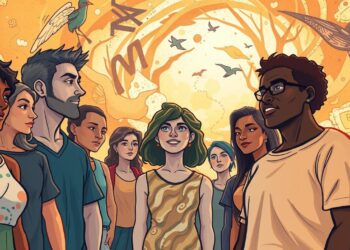
History often focuses on famous inventors like Edison. But everyday heroes lay the groundwork for our world. Single parents, teachers, and volunteers often go unnoticed. Yet, 30% of American households depend on one parent working and caring for their family.
These unsung heroes work tirelessly, like teachers who spend $500 a year on classroom supplies. Or the 7.9 billion hours volunteers give each year. Their efforts are unseen but invaluable.
Heroesism is about persistence, not fame. The author’s father worked as a firefighter for 30 years, a remarkable dedication. Like 13% of Americans, he chose service over recognition. Despite feeling overlooked, 70% of community workers continue to make a difference every day.
These silent heroes include nurses, custodians, and parents who put their dreams on hold for their children. Though 90% value kindness, only 30% act on it. Yet, 50% of volunteers keep helping because of their compassion, not praise.
Their impact isn’t in headlines but in the lives they touch. 75% of teachers spend their own money to help students. These quiet heroes show us that heroism is found in small, consistent actions.
What Are Everyday Heroes?
Most people think of heroes as legendary figures or those with superhuman powers. But Merriam-Webster says a hero is someone admired for courage or noble actions. Everyday heroes are ordinary people who act without seeking fame or fortune.
“A hero is a person admired for courage, outstanding achievements, or noble qualities.”
Community heroes are all around us, making a difference quietly. A local hero might be a teacher like Erin Gruwell, who worked extra jobs to fund her students’ education. Or a neighbor who organizes park cleanups. These heroes show that heroism is about making consistent, selfless choices.
The Here’s to the Heroes award by Roper & Sons honors such individuals in Lincoln. Nominations are open until September 22, 2023.
Heroic acts often go unnoticed. Like checking on an elderly neighbor, volunteering at a food bank, or comforting a friend in crisis. These actions need moral integrity and determination, not superpowers. Even someone like Bill Gates, with vast resources, keeps striving. Everyday heroes act because they see a need, not for praise. Their legacy grows through small, impactful deeds that strengthen communities.
The Importance of Acknowledging Everyday Heroes
At Fort Rucker Primary School, students drew their parents and first responders on the Hero Wall. This hero acknowledgment program changed how we see heroism. It shows how valuing real-world contributions can change our views.
When we recognize everyday heroes, we show we value their hard work. Nurses working long hours and teachers helping students are heroes too. This hero recognition motivates them to keep helping, even when it’s tough.

Seeing heroes in our community inspires us. Kids learn that being a hero isn’t just for movies. It’s something we can all do.
Studies show that praising selfless acts helps us feel more connected. A simple “thank you” can start a chain of kindness. For example, praising a firefighter might inspire others to help out too.
Recognizing heroes makes our communities stronger. When we thank a teacher or a farmer, we show we value their work. By doing this, we create a world where kindness spreads. Small acts of appreciation can make a big difference, bringing us together.
Everyday Heroes in Local Communities
Community champions make a big difference in small ways. They might organize food drives or lead health workshops. These neighborhood heroes often go unnoticed but make a huge impact.
For example, Mr. Ramirez, a social worker, has changed lives. He created programs for at-risk youth, helping them get an education and jobs. His work helped Jessica, now a college student, overcome tough times.
Local changemakers turn problems into chances for growth. During the pandemic, healthcare workers helped deliver vaccines to those who needed them most. At the same time, community organizers ran food drives, feeding thousands.
Their community service does more than just help in the moment. It builds trust and strengthens bonds. Even small actions, like coaching sports or fixing parks, make a big difference.
But these heroes face many challenges. Social workers handle many cases at once, and organizers often lack funds. Yet, they keep going, pushing for change.
By acknowledging their work, we can encourage more people to get involved. Every action, big or small, helps build strong, welcoming communities where everyone feels at home.
Medical Professionals: Frontline Everyday Heroes
Healthcare heroes work in hospitals, clinics, and emergency rooms. Their sacrifices often go unnoticed. Doctors, nurses, and technicians face life-and-death decisions every day. They carry the emotional weight of their jobs.
Their bravery during the pandemic was clear. But their heroism is present before and after crises too.

Over 1,500 nurses worldwide lost their lives to COVID-19 alone, says the International Council of Nurses. Frontline heroes deal with constant stress. 55% of healthcare workers feel burned out, and nearly half of U.S. physicians are over 55.
These hospital heroes face many challenges. They deal with understaffing and long, exhausting shifts. They balance compassion with the harsh realities of their work.
Medical workers also face personal challenges. Half of nurses feel emotionally drained every day. One in five doctors plans to leave medicine in two years.
Burnout leads to medical errors and lower patient satisfaction. Yet, their dedication remains strong. Supporting these unsung heroes means valuing their mental health as much as their lifesaving work.
Environmental Advocates: Champions for the Planet
Jack Andraka is a great example of how young people can change the world. At 15, he created a test for pancreatic cancer that combined science and climate activism. These sustainability leaders often work quietly, but their effects are felt everywhere.
“Every child has the universal right to clean drinking water.” — Autumn Peltier
The conservation champions in the Juliana v. United States lawsuit brought together 21 young people to fight against inaction on fossil fuels. Lesein Mutunkei’s Trees4Goals planted 1,000 trees, using soccer goals for good. Kids Against Plastic’s Ella and Amy Meek collected 100,000 single-use plastics, showing that kids can make a difference.
Licypriya Kangujam spoke out for climate change in 32 countries before she was 10. Leonardo DiCaprio’s foundation gave $80 million to environmental causes. Greta Thunberg gave her awards to climate charities. These eco-warriors mix local action with global efforts, showing they won’t give up.
In Kenya, Elizabeth Wanjiru planted 30,000 trees. Sir David Attenborough has worked for 60 years to protect the planet. They remind us that saving Earth needs both personal actions and big changes—a goal for every climate activist fighting for tomorrow’s world.
Caring Neighbors: Small Acts That Count
Helpful neighbors make everyday moments special. They shovel sidewalks, share meals, or run errands for those who can’t leave their homes. These small acts strengthen our communities.
Good Samaritans, like those in the Skilled Veterans Corps, show us heroism in small ways. It’s the consistent effort that truly matters.

A study found that small acts of kindness can increase emotional well-being by 25% when neighbors simply acknowledge struggles.
Jermaine Bell, a 6-year-old, handed out hot dogs to hurricane evacuees. A good samaritan bought a home to save an elderly neighbor from eviction. These stories highlight how kindness can create big changes.
A GoFundMe campaign raised $77K for a woman in need. 500 volunteers rebuilt a senior’s home. Small actions, like organizing meal trains or checking on isolated neighbors, also make a big difference.
Neighborhood kindness grows when neighbors act selflessly. A retired teacher fixes bikes, a driver takes elders to doctors, and a group plants gardens for those in need. These acts show true heroism.
These efforts remind us that community care begins with noticing a need and acting. Kindness doesn’t need a cape to be powerful.
Everyday Heroes in the Workforce
Every successful workplace has unsung heroes. Maintenance teams, IT experts, and custodians are workplace heroes. They work hard behind the scenes, keeping things running smoothly. Their efforts, though often unseen, are vital to our success.
Atlassian’s Everyday Heroes program honors employees who help others grow or find new solutions. It celebrates those who put teamwork and quality first. A Harris Poll found that 530 essential workers in healthcare and farming often go unnoticed. Yet, they keep our lives going by doing tasks like stocking shelves and fixing utilities.
“Many Atlassians nominated colleagues who serve as agents for change, indicating a culture of support.”
These unrecognized workers, from delivery drivers to factory workers, deserve our thanks. They show incredible strength during tough times. By recognizing their efforts, we create workplaces where every role is respected.
Artists and Creatives: Changing Hearts and Minds
Creative heroes like Hedy Lamarr show that art and innovation are connected. Her work on frequency-hopping technology helped create modern Wi-Fi. This mix of art and technology changed society.
Today, cultural champions use murals, films, and music to fight for justice. They aim to make us understand each other better. But, fewer people visit museums, and more students choose tech over the arts. This could limit our view of the world.
Art’s reach goes beyond galleries. When schools ignore Black voices, artists speak up. They use documentaries, poetry, and theater to share important stories.
In healthcare, arts programs boost emotional health. UK hospitals now offer creative activities to patients. A patient even stayed longer for ukulele lessons, showing art’s healing power.
Cultural champions work hard but quietly. They teach in poor schools and create murals in forgotten places. Their efforts turn sadness into connection. A recent campaign quickly raised money for arts programs, showing the power of community support.
Their work teaches us: art is more than decoration. It’s a lifeline for a world seeking compassion and clarity.
Everyday Heroes and Social Justice
Behind every big win for equality are social justice advocates who never give up. Sylvia Mendez’s parents fought for her to go to a human rights heroes school in 1944. This fight changed education forever. Today, their work lives on through justice warriors like Patricia Payne and Zulfat Suara.
These equality champions work hard but quietly. The NEA’s 3.2 million members fight for fair schools. The Empowerment Network in Omaha tackles poverty and housing. Advocacy heroes like Bonnie Augusta create safe spaces for LGBTQ+ youth, showing how small acts can lead to big changes.
Everyday heroes don’t wait for permission to act. They’re the parents who file lawsuits, the teachers who rewrite curricula, and the neighbors who give out Blessing Bags. Their stories teach us: justice isn’t won overnight—it’s built one brave step at a time.
Stories of Remarkable Everyday Heroes

Stories like Dashrath Manjhi’s 22-year mountain carving and James Harrison’s 1,100 blood donations show heroism. These inspiring people, like Irena Sendler, who saved 2,500 children from the Warsaw Ghetto, prove it. Their stories, in a 2021 book (ISBN 978-1-59962-112-8), show how ordinary people can turn crises into hope.
The book, a $45 hardcover and 2012 IPPY award winner, tells of 50 remarkable heroes. Gary Slutkin’s CeaseFire cut Chicago violence, and Susan Burton’s A New Way of Life helps marginalized women. These heroes show us that change begins with one person’s determination. Nasir’s family, who fled Afghanistan to start anew in Australia, is a great example of this.
Everyday heroism is not about fame but about taking action. Whether it’s carving paths or saving lives, these stories inspire us to see our own power. They are not just about the past but guide us towards a better future. By sharing their stories, we celebrate the quiet courage that changes the world, step by step.
How You Can Become an Everyday Hero
“The real magic happens when you don’t know how it’s going to happen.”
Anyone can becoming a hero by noticing the needs around you. Look for volunteer opportunities at local food banks, schools, or parks. Even small acts—like checking on a neighbor or organizing a cleanup—count as community involvement. These steps turn everyday actions into making a difference.
Start by asking: “What skills do I have?” A teacher, for instance, might tutor kids after school. A tech worker could teach seniors to use smartphones. Hero opportunities exist everywhere. Spiral’s Everyday Impact™ program lets you donate spare change from purchases to causes like planting trees or feeding families. Each $10 donation through this program can provide 10 meals via the World Food Programme.
Research shows 78% of people feel happier when helping others, thanks to the “helper’s high.” Even setbacks? They’re part of the journey. Firefighters work 24-hour shifts but keep serving. Heroes persist, learn, and adapt. Small steps add up. Your actions inspire others, creating a ripple effect.
Begin today. Volunteer at a shelter. Mentor a teen. Join a neighborhood group. Every choice you make to act compassionately moves the world forward—one small, brave step at a time.
Celebrating Everyday Heroes: Events and Recognition
Hero awards and recognition programs are key to highlighting the unsung heroes in our communities. They range from national honors like the Presidential Citizens Medal to local “Hometown Hero” campaigns. These efforts make quiet service visible.
Schools hold appreciation events where nurses, teachers, and volunteers share their stories. This connects students to real-life examples of impact. Public art displays, like murals or digital galleries, make honoring heroes a shared experience.
Community celebrations are more powerful when they include everyone. Town halls and nonprofits team up with businesses to highlight unsung heroes. Programs like iGive and Amazon Smile let people support heroes through everyday purchases.
Studies show recognition boosts volunteerism by 30% and strengthens social ties. This makes neighborhoods feel more connected. Small acts, like leaving a tip for delivery staff or tagging a local hero on social media, can have big effects.
Appreciation events don’t just celebrate the past; they inspire future action. Fire stations host open houses, and libraries feature hero stories. This inspires others to help out.
Businesses like Starbucks or local restaurants often sponsor recognition drives. They link gratitude to tangible support. By turning gratitude into action, communities build cultures where helping hands are valued. Every celebration helps create a kinder, more connected world.